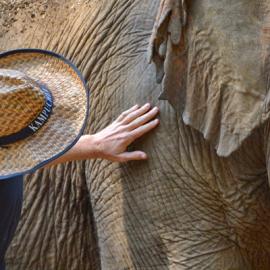
by Jonathan Whittle-Utter
Returning to the question at hand—why a massage therapist would be interested in researching human-elephant communication? The answer relates to the primacy of touch. Touch is the primal arena of connection…
Read more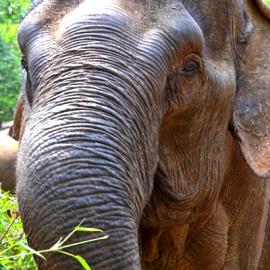
by Jonathan Whittle-Utter
The sanctuary rests in an open jungle valley in the remote Mondulkiri province of Northeast Cambodia. Like the rest of the country, Mondulkiri is undergoing rampant deforestation, a tremendous threat to…
Read more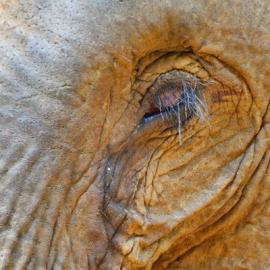
by Jonathan Whittle-Utter
About three years ago I decided pursue a PhD in somatic psychology. I'd spent the last few years establishing a healthy massage therapy practice in Los Angeles, and although the bodywork was rewarding…
Read more
by Zoe Krasney
Eco-reporter Zoe Krasney recently interviewed filmmaker and photographer Elke Duerr after she founded the Web of Life Foundation (WOLF), which is devoted to education and outreach to communities in close…
Read more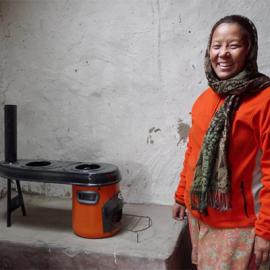
by Georgia Woodroffe
Household Air Pollution (HAP) affects more than three billion people — almost half of the world’s population. The U.S.-based non-profit The Himalayan Stove Project, founded by George Basch, provides free,…
Read more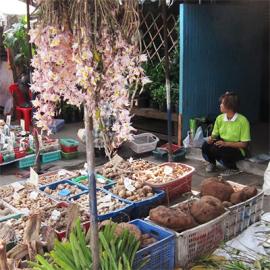
by Hannah Watson
Commercial trade of wild-collected plants is restricted in most countries. Orchids, in particular, are often subject to intensive harvesting as medicinal and ornamental plants, even though the international…
Read more
by Kevin McCarthy
Environmentalists are often motivated by the visceral – the prospect of a loved one being deprived of some glorious natural phenomenon, for example, or a haunting photograph that conveys the scale of destruction…
Read more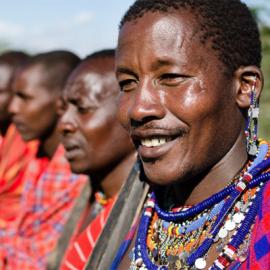
by Sarah Abdelrahim
Chief Salaton Ole Ntutu lives in Kenya, where he runs a tourist camp and cultural center. Last year, Salaton visited the United States for a month to fundraise and raise awareness about his camp. During…
Read more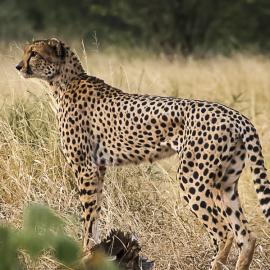
by Sarah Abdelrahim
Ecoreporter Sarah Abdelrahim interviews Dr. Laurie Marker of the nonprofit, A Future for Cheetahs, to gain insight on the global cheetah population, the key drivers in their decline, and recent successes…
Read more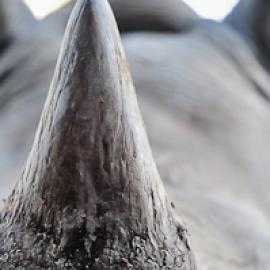
by Emily Baumbach
Carter, age 14 and Olivia, age 12, became interested in environmental conservation when their aunt expressed her concern about declining cheetah populations. As a result, Carter and Olivia decided to begin…
Read more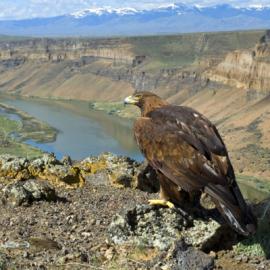
by Terence Hyland
Renewable energy provides an abundance of benefits: few carbon dioxide emissions, improved air quality, and the economic promise of new jobs. But even the most well-intentioned technologies can have unintended…
Read more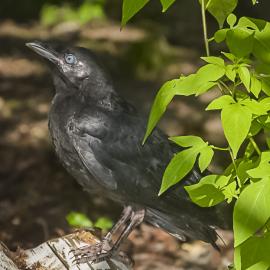
by Jennifer Calkins
The American crows in my Seattle neighborhood recognize me. I know this because they follow me, call when they see me, and peer at me through my window. They know me, because I have fed them before. They…
Read more